Planting and caring for your terrarium
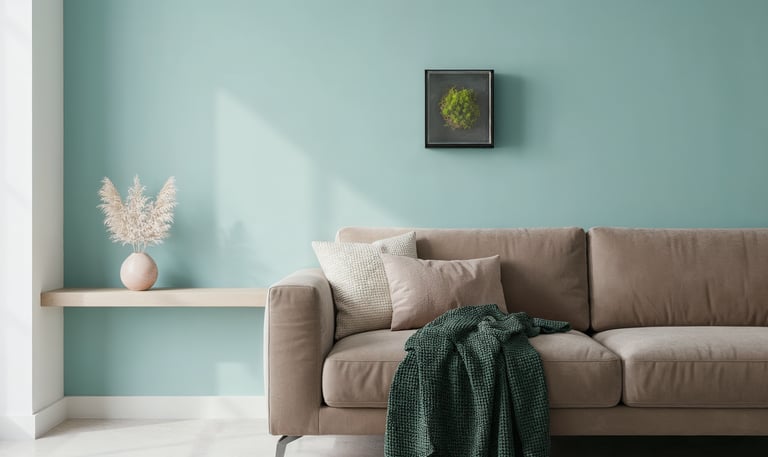
Picking the right spot.
When choosing where to place your terrarium, consider how much light your preferred location gets.
In general you want to put your terrarium somewhere that gets lots of light but not too much direct sunlight. If put in a shady spot the terrarium will likely get "leggy" as the plants start to reach out towards the light.
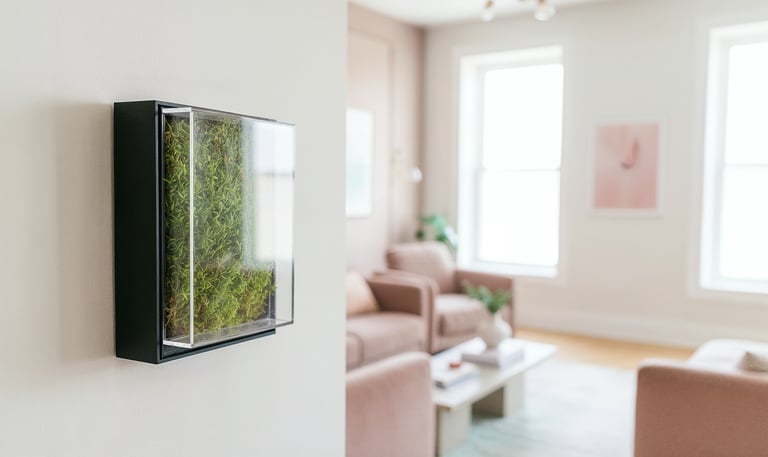
The first few weeks.
Plants, just like people, can take a while to get used to a new space. The temperature, the humidity and amount of light.
During the first 3-6 weeks make sure to spray your new terrarium every couple of days. Making sure it doesn’t dry out.
When you start to see new growth you can reduce the watering frequency to a once a week.


Caring for moss.
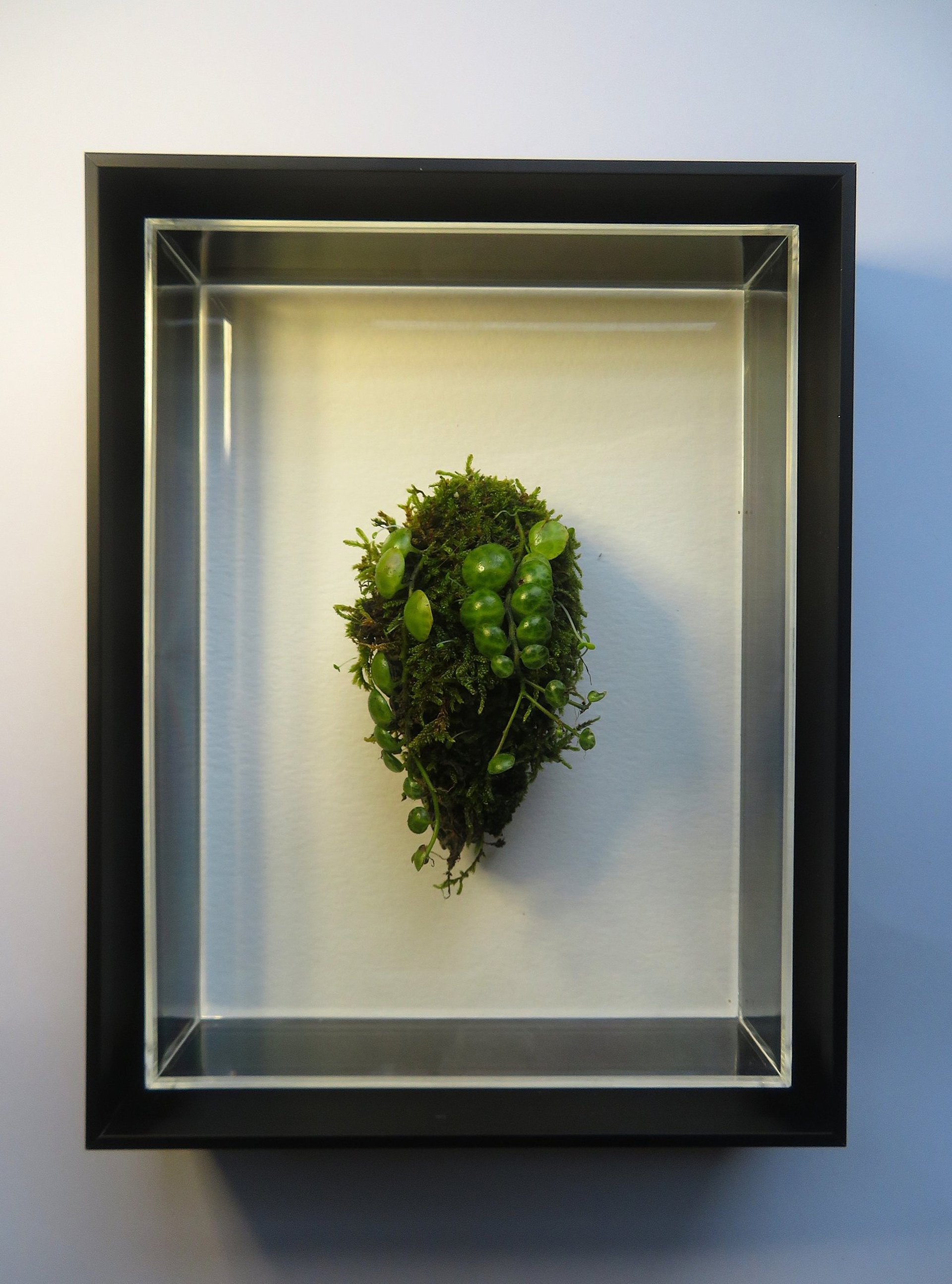
The moss in your terrarium is selected to thrive in this high humidity micro-environment. It will hold plenty of water and will protect your plants roots (if you want to add any).
To make sure your moss thrives for the longest time possible. Keep it out of direct sun and mist with rainwater from time to time.
If you want to know more check out the FAQ section.
Wall mounted Terrarium care guide
Adding your own Plants
You can take your own plant cutting or whole plants and plant them in your terrarium. It's up to you what plants you use, but there are some thing to consider that will help your plants thrive.
Humidity, Light and Size. Terrariums are a high humidity, relatively low light, small space. So, any plants you want to add need to happy with those conditions.
It's best to pick something small and tropical.
You can always search online for care tips about the plant you're planning to use and check if it will be happy.
Some recommended plant types:
Most epiphytes (plants that grow on other plants)
Some lithophyte (plants that grow on rocks)
Small Orchids
Bromeliads
Small Ferns
Begonias
Small leaf vines, like String of hearts or String of Turtles
Selaginella (My personal favorite)